

Journey into the past and discover your family’s history
In 1980 I went off to university far from anywhere any of my ancestors had ever lived and the genealogy bug lay dormant for years. It didn't wake up again until I moved to Scotland in the early 1990s. Not that any of my ancestors hailed from Scotland either, but I satisfied my craving by doing research for friends, spending happy days at the General Register House and Scottish Archives in Edinburgh. I became interested in “house history”, researching the old farm
that I lived on and even dug into the history of vegetable varieties as a “seed sleuth” for the Henry Doubleday Research Organization!
Then came the internet and everything changed! Initially, as archives around the world set up websites and put their catalogues on line, it was still a case of ordering in paper copies of documents, or in some cases microfilms. Around the same time I moved back to the land of my birth, Canada, and discovered LDS family history centers and the option of ordering in microfilms. I spent many, many hours scrolling through microfilms. Between ordering in from archives and the LDS center I was able to carry out significant new research particularly on my Belgian and Spanish family lines. And then, bit by bit, the documents themselves were digitized and became available online. This took my abililty to do research to a whole new level.
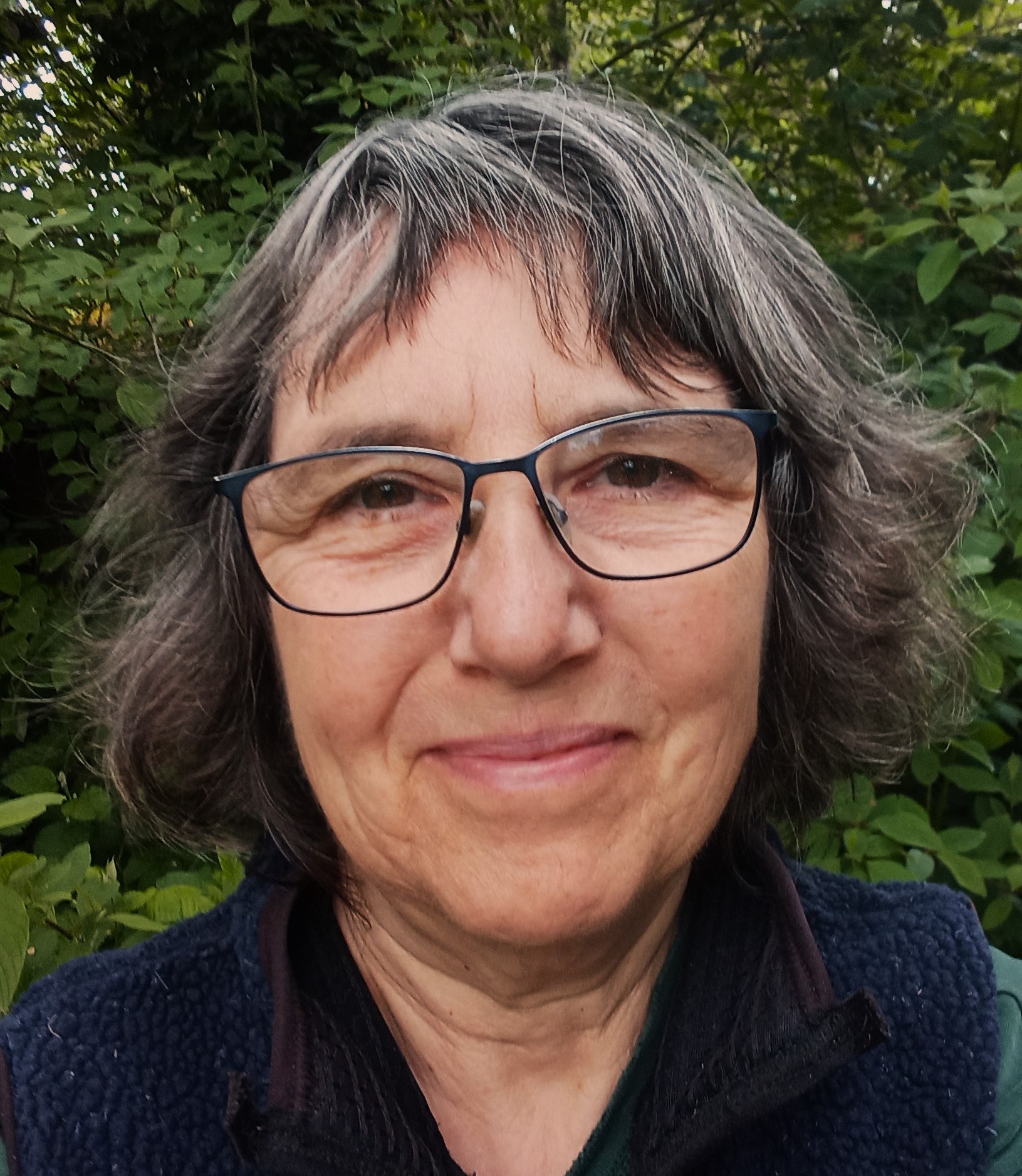
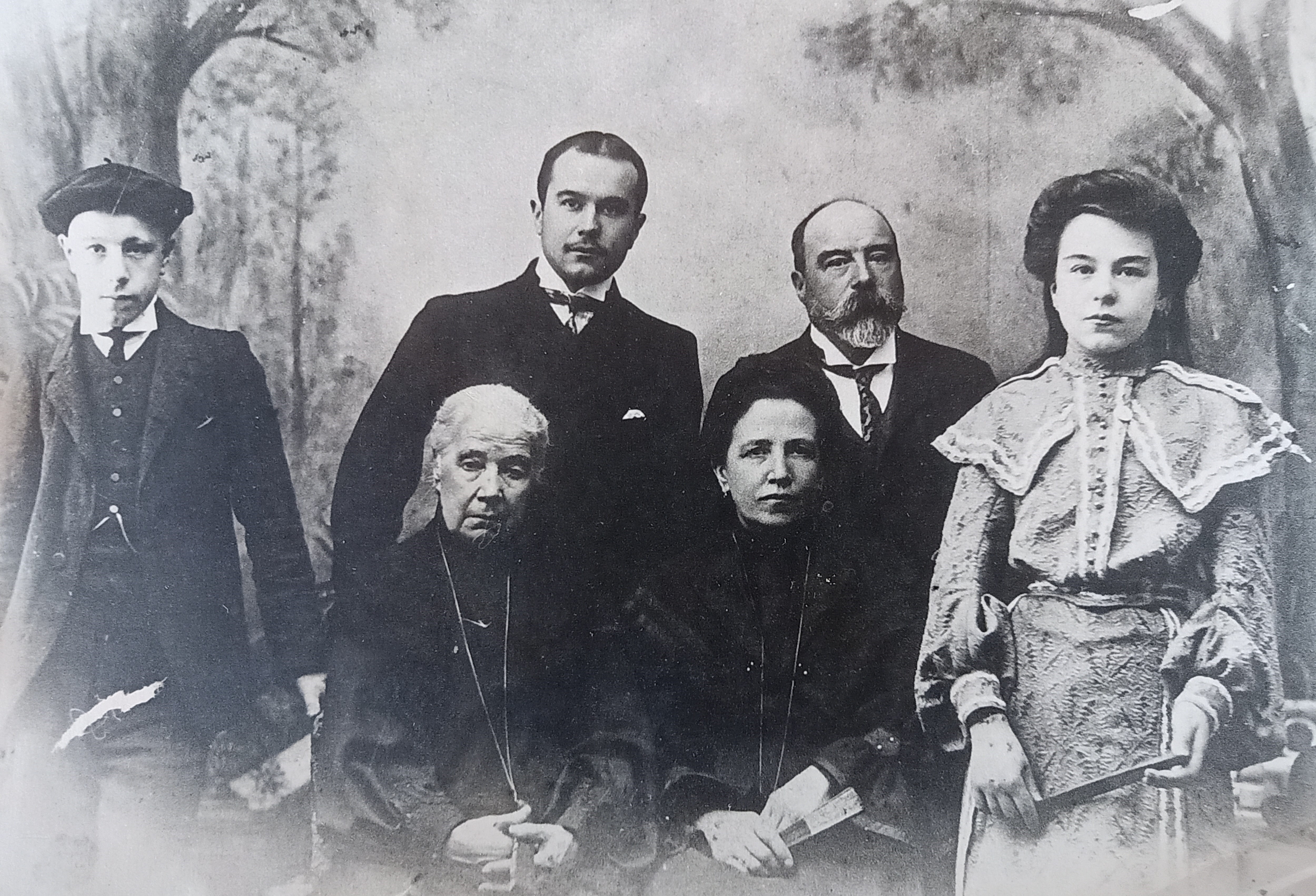
You may have guessed that the above is not a picture of me. The young woman on the right is my paternal grandmother, with her brothers and parents. Anyone who knows me takes one look at this picture and immediately says "You look just like her!"
I grew up in a family that did not do conflict well. At any given time, some members of the family would, for whatever reason, not be talking to one another. On both sides of the family. And this had been going on forever. In fact, my father used to joke that there had been one family disagreement that had carried on for 300 years! (It was true, too. Many years later a Spanish archive kindly sent me 2kg of photocopied court documents and a microfilm to prove it!)
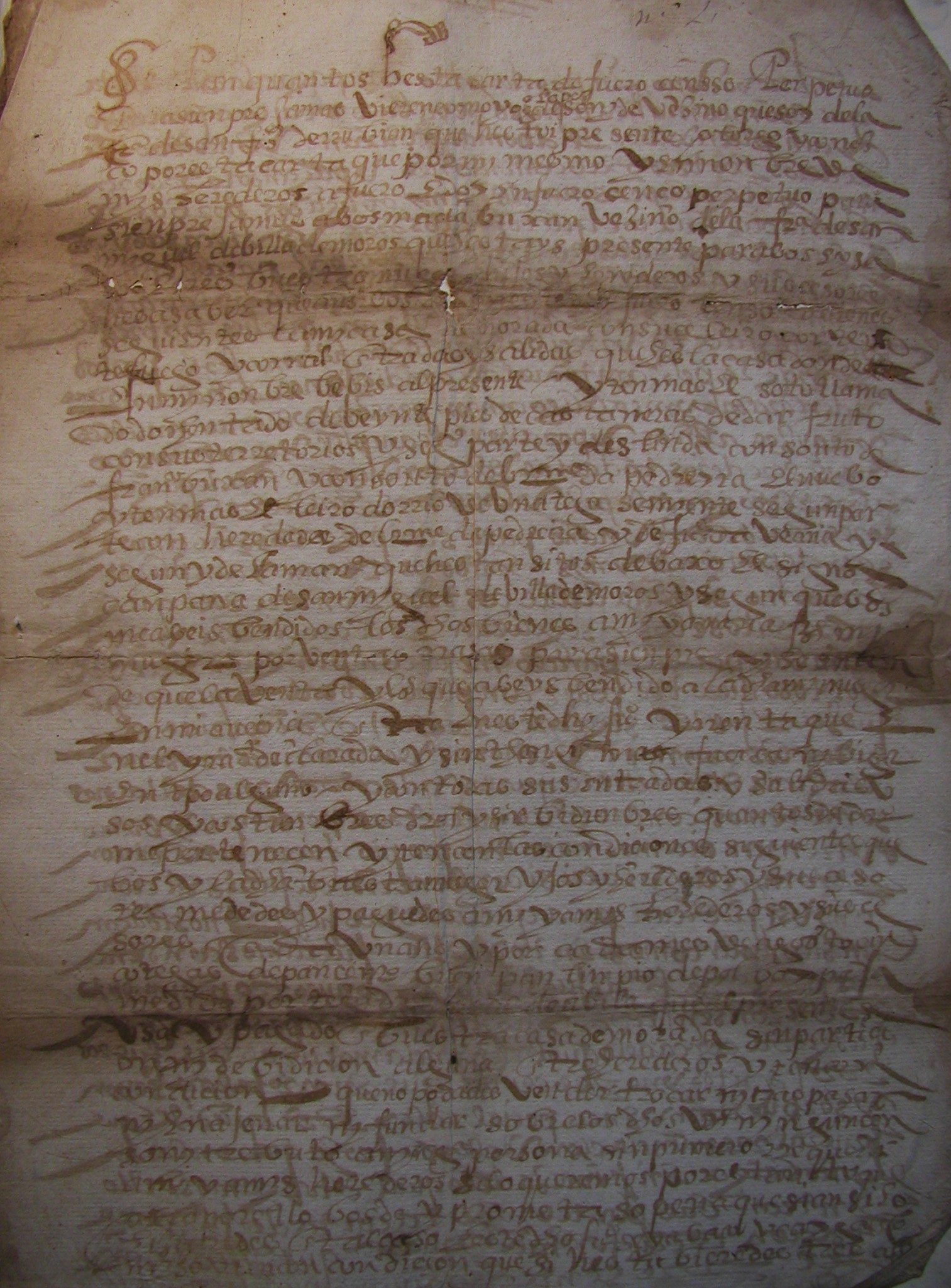
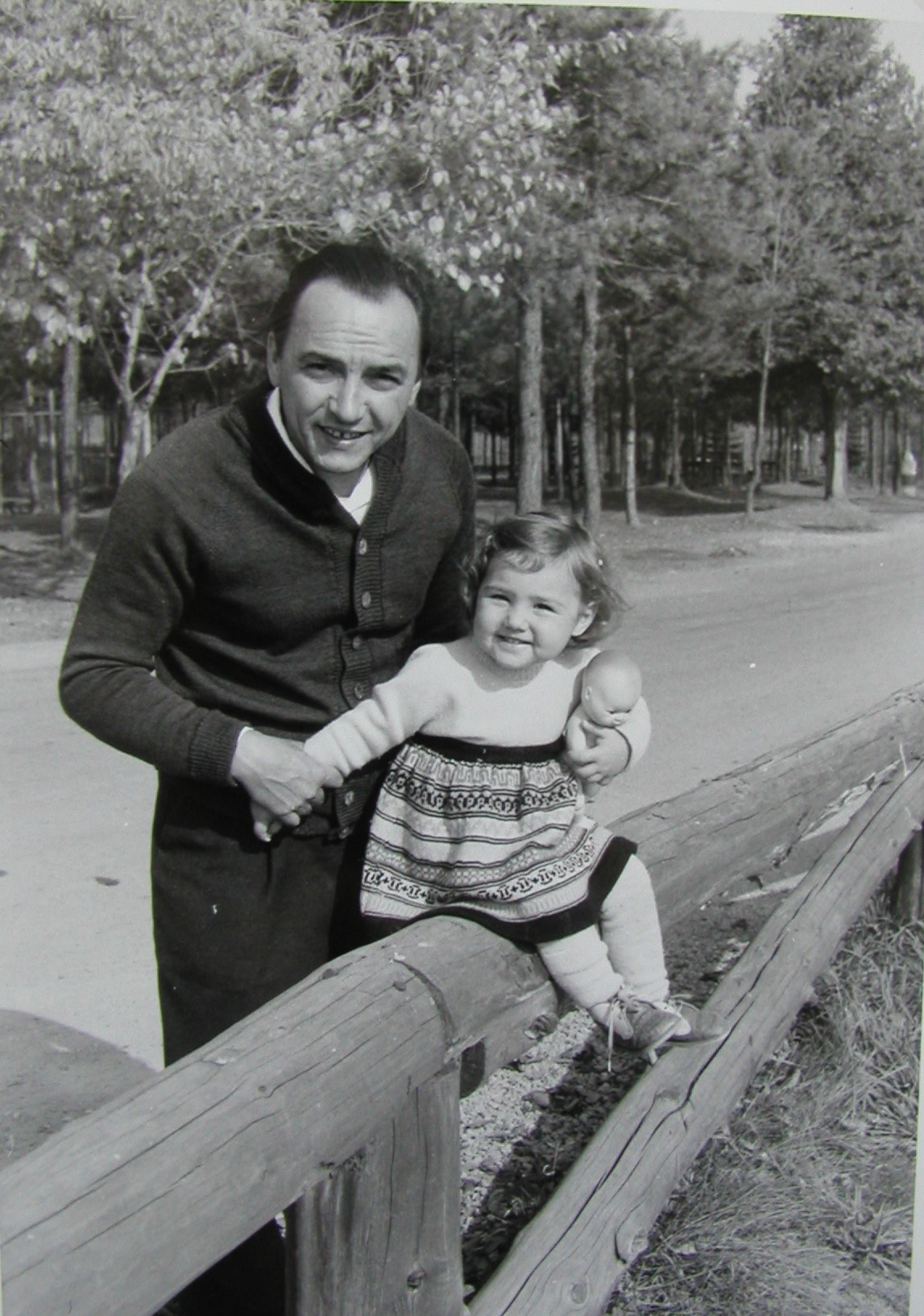
My family did, however, value its history. My Spanish father in particular was immensely proud of his heritage and had a large chest full of old family documents. Mostly, they dealt with land transactions and inheritances and the oldest dated from 1599! As a teenager I spent hours with my father poring over documents like the one in the picture on the left. (The picture below is me with my dad, ca 1963.)
Today I work overwhelmingly online, utilizing a huge and ever increasing number of resources. Increasingly, I am also becoming involved in genetic genealogy, using DNA to identify unknown recent ancestors and so add to clients' knowledge about their family's history.
A new, quite exciting venture is combining family history research with my work as a Clinical EFT Certified Practitioner. Doing so allows us to not only learn about our families' pasts, but also process and heal intergenerational trauma and dysfunctional patterns created by our ancestors' life experiences. Then we can not only live our lives free of the burdens of the past but also prevent them being passed on to the next generation!

Will AI replace trauma practitioners like myself?
I performed a very interesting exercise today: I asked AI (in this case, Grok) whether my Clinical EFT practice would become obsolete in the near future, given all the hype about "AI therapy." Here's what I learned:
The AI promise is real - but limited.
AI-based mental health tools address genuine needs: global therapist shortages, long waitlists, and high costs. Recent trials show these tools can reduce mild-to-moderate symptoms of depression, anxiety, and even eating disorders. They are accessible 24/7, non-judgmental, and scalable.
But the hype overlooks stark limitations. AI lacks true empathy, can't read nonverbal cues, and risks real harm. A 2025 Stanford study found chatbots often stigmatize issues or give dangerous advice, performing as "low-quality" therapists at best. Ethical red flags include privacy breaches, over-reliance fostering isolation, and no crisis intervention. Expert consensus: AI might be great for low-stakes support, but humans are needed for anything deeper.
Clinical EFT is fundamentally different.
Unlike talk-heavy approaches (which AI mimics well), Clinical EFT is an embodied practice. It targets trauma, anxiety, PTSD, pain and more through somatic release and cognitive reframing - tapping on acupressure points while processing emotions. This requires real-time emotional attunement and adaptive guidance only a skilled human can provide.
AI could "teach" tapping scripts, but without a practitioner's intuition for pacing or handling big emotional releases, it risks re-traumatization - precisely what EFT practitioners like myself train to avoid.
So, will I become obsolete?
No. AI won't render embodied, relational therapies like EFT obsolete. If anything, it'll boost demand for them. Projections show AI handling 20-30% of low-acuity cases (mild stress, symptom tracking), freeing practitioners like me for complex work like trauma integration - EFT's sweet spot.
When people need deep healing that can only happen through human connection, they'll continue to seek out practitioners who can truly hold space for their transformation. AI can't replace that human element - and I think the AI wave will ultimately send more people toward the kind of work that actually changes lives.

@ Copyright 2026 All Our Pasts Are History | All rights reserved
@ Copyright 2026 All Our Pasts Are History
All rights reserved