

Journey into the past and discover your family’s history
In 1980 I went off to university far from anywhere any of my ancestors had ever lived and the genealogy bug lay dormant for years. It didn't wake up again until I moved to Scotland in the early 1990s. Not that any of my ancestors hailed from Scotland either, but I satisfied my craving by doing research for friends, spending happy days at the General Register House and Scottish Archives in Edinburgh. I became interested in “house history”, researching the old farm
that I lived on and even dug into the history of vegetable varieties as a “seed sleuth” for the Henry Doubleday Research Organization!
Then came the internet and everything changed! Initially, as archives around the world set up websites and put their catalogues on line, it was still a case of ordering in paper copies of documents, or in some cases microfilms. Around the same time I moved back to the land of my birth, Canada, and discovered LDS family history centers and the option of ordering in microfilms. I spent many, many hours scrolling through microfilms. Between ordering in from archives and the LDS center I was able to carry out significant new research particularly on my Belgian and Spanish family lines. And then, bit by bit, the documents themselves were digitized and became available online. This took my abililty to do research to a whole new level.
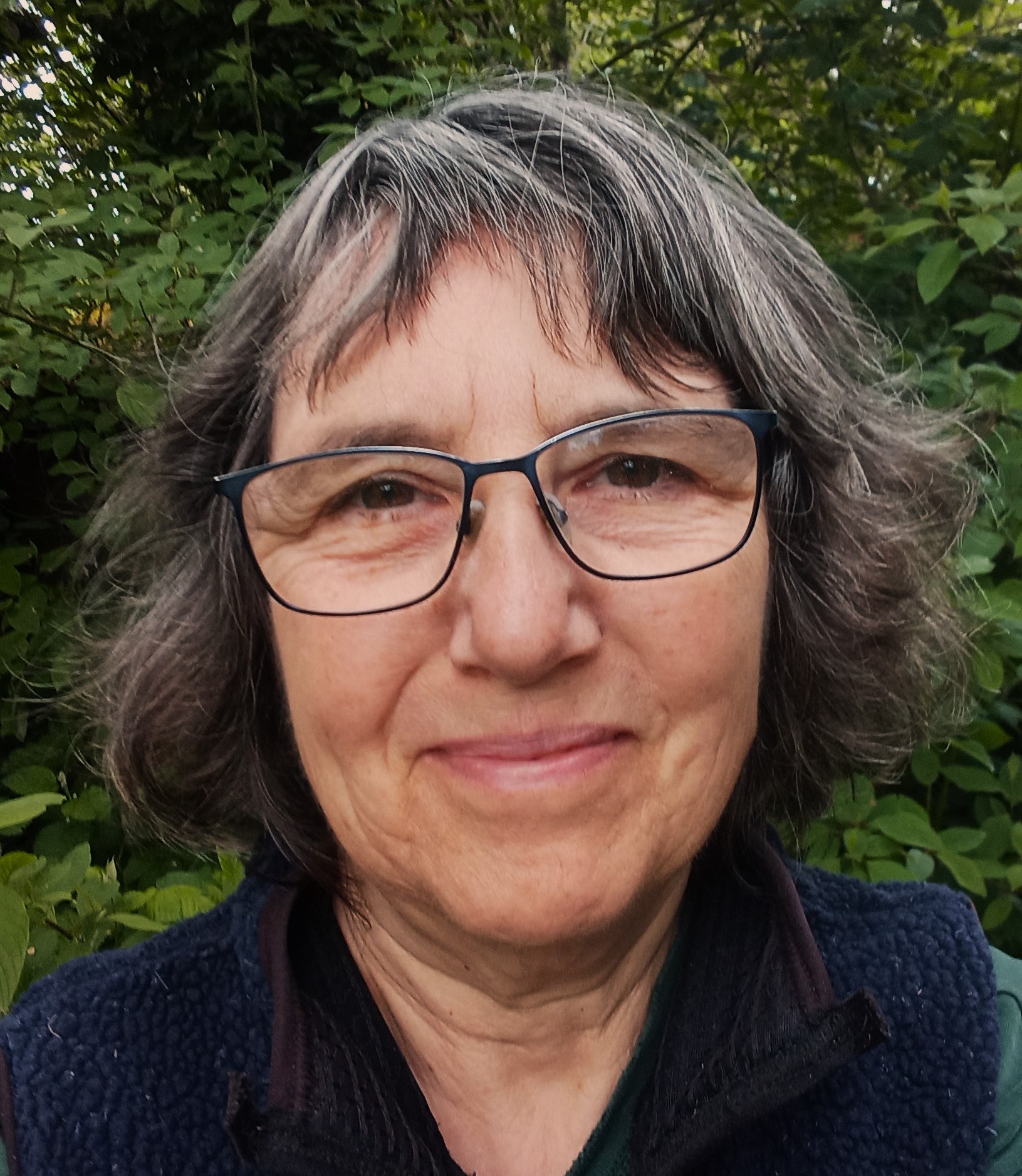
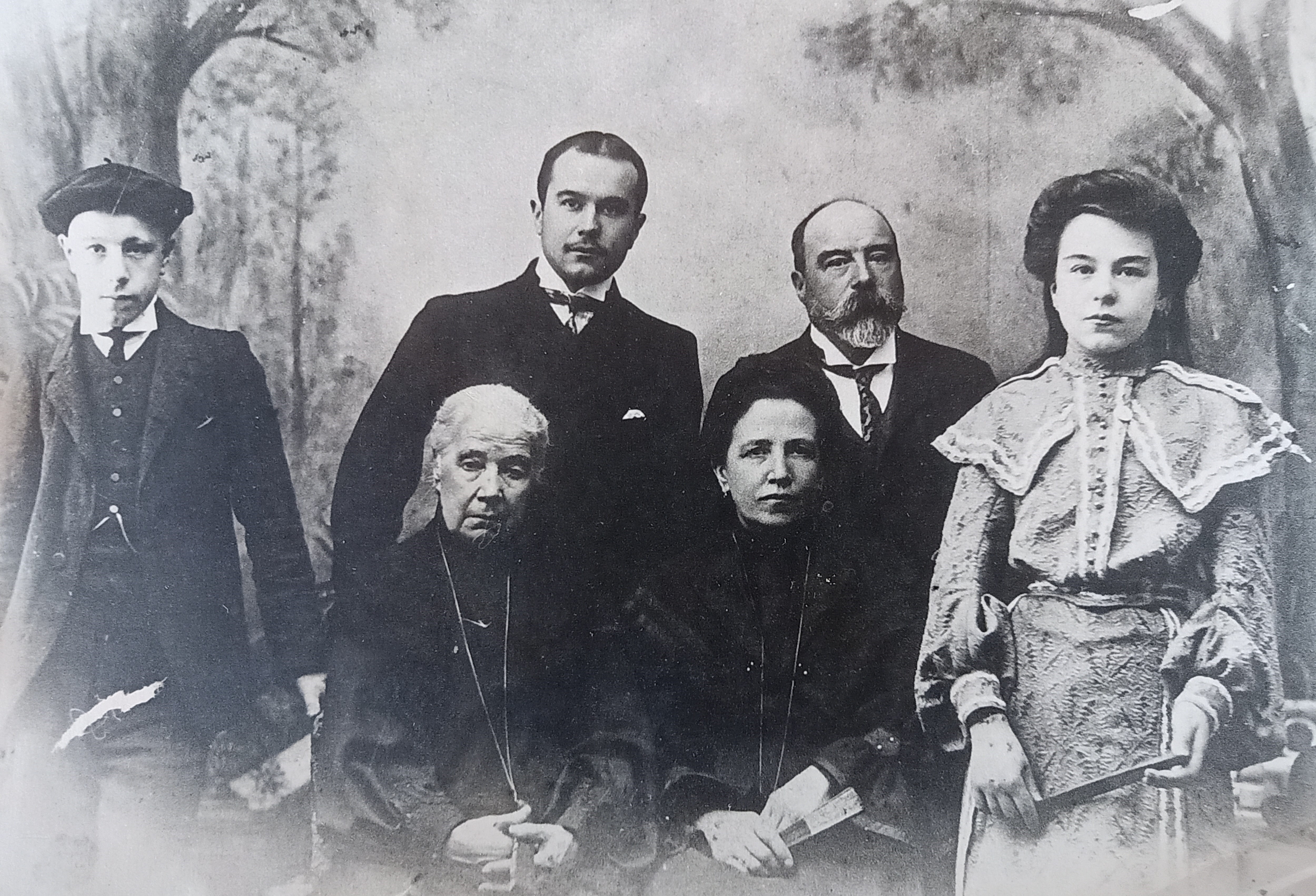
You may have guessed that the above is not a picture of me. The young woman on the right is my paternal grandmother, with her brothers and parents. Anyone who knows me takes one look at this picture and immediately says "You look just like her!"
I grew up in a family that did not do conflict well. At any given time, some members of the family would, for whatever reason, not be talking to one another. On both sides of the family. And this had been going on forever. In fact, my father used to joke that there had been one family disagreement that had carried on for 300 years! (It was true, too. Many years later a Spanish archive kindly sent me 2kg of photocopied court documents and a microfilm to prove it!)
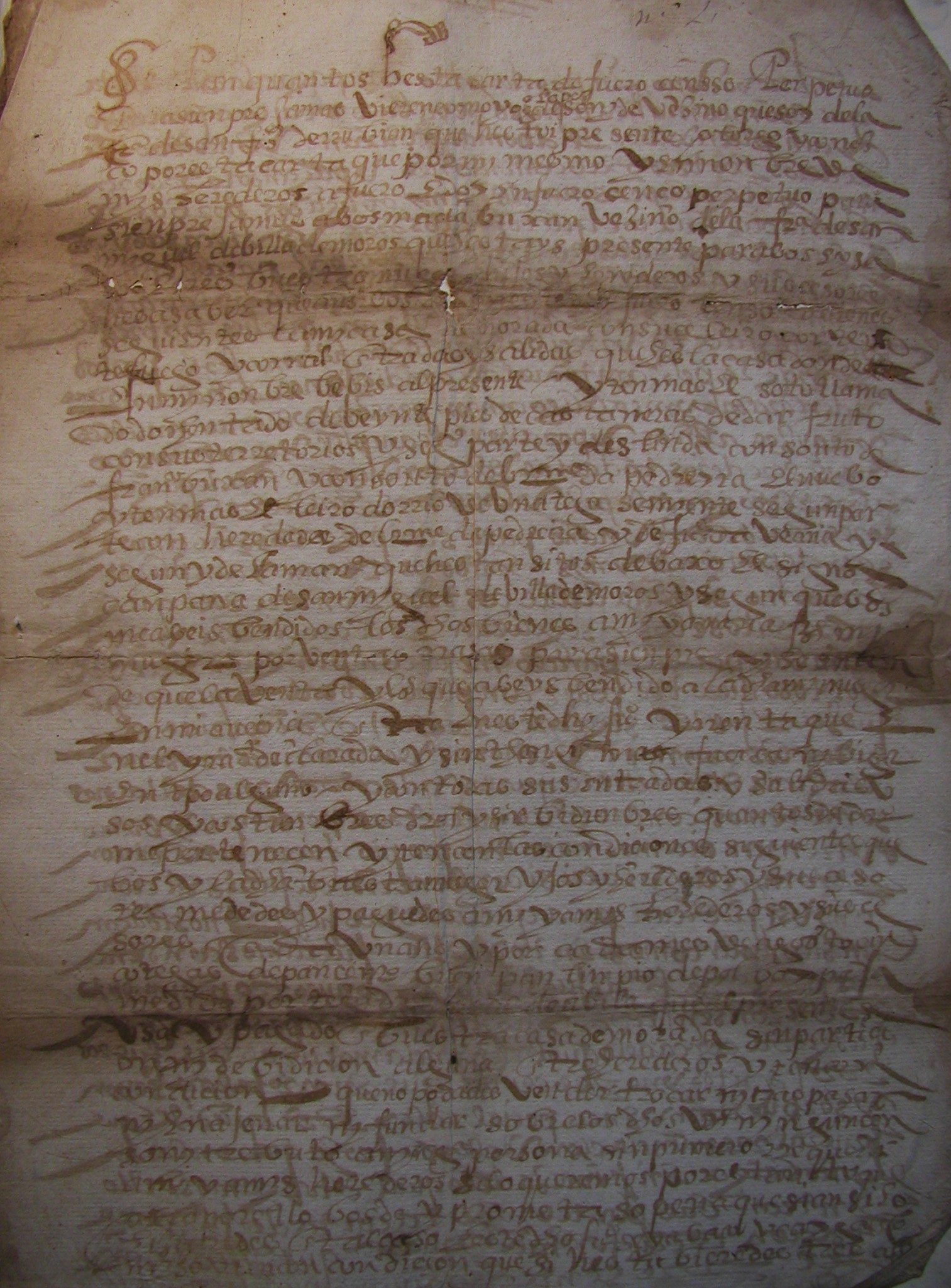
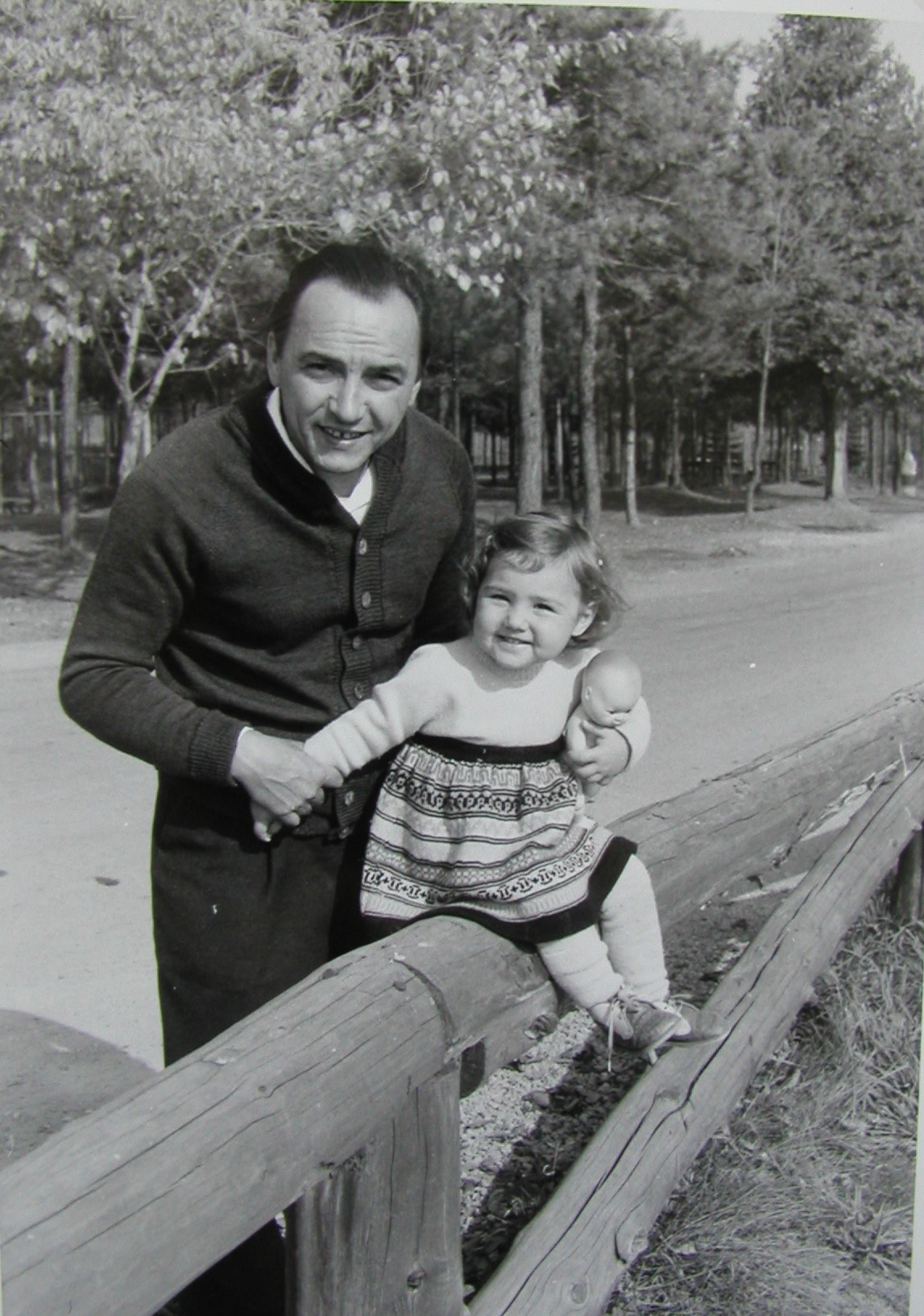
My family did, however, value its history. My Spanish father in particular was immensely proud of his heritage and had a large chest full of old family documents. Mostly, they dealt with land transactions and inheritances and the oldest dated from 1599! As a teenager I spent hours with my father poring over documents like the one in the picture on the left. (The picture below is me with my dad, ca 1963.)
Today I work overwhelmingly online, utilizing a huge and ever increasing number of resources. Increasingly, I am also becoming involved in genetic genealogy, using DNA to identify unknown recent ancestors and so add to clients' knowledge about their family's history.
A new, quite exciting venture is combining family history research with my work as a Clinical EFT Certified Practitioner. Doing so allows us to not only learn about our families' pasts, but also process and heal intergenerational trauma and dysfunctional patterns created by our ancestors' life experiences. Then we can not only live our lives free of the burdens of the past but also prevent them being passed on to the next generation!
Healing the Healers: Unlocking Our Capacity for Change
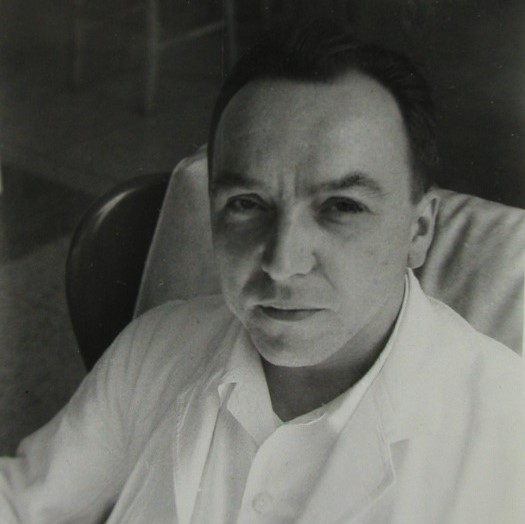
I believe that many people who want to create positive change in the world do so because they experienced the problem first hand. My dad was one of them. He was an agriculture student in Madrid in the 1950s - like his two brothers - when their mother became ill. He interrupted his studies to return home to Sarria (in Galicia) to care for her. She died of breast cancer at the age of 58. When my dad returned to university after her death, he changed his course of studies. He became a doctor instead.
Unfortunately, difficult life experiences can also cause trauma and keep people stuck in the past, stealing much of their energy, focus and confidence. My dad battled depression for much of his life and once told me, when I was a teenager, that he felt he had wasted his life. This despite probably helping thousands of people throughout his working life.
Imagine the world we could live in if everybody received the treatment and supports they needed to heal from their trauma, break the cycles and turn pain into purpose? Their experiences could then become the fuel that drives the change that they want to affect in the world - for a better world.

@ Copyright 2026 All Our Pasts Are History | All rights reserved
@ Copyright 2026 All Our Pasts Are History
All rights reserved