

Journey into the past and discover your family’s history
In 1980 I went off to university far from anywhere any of my ancestors had ever lived and the genealogy bug lay dormant for years. It didn't wake up again until I moved to Scotland in the early 1990s. Not that any of my ancestors hailed from Scotland either, but I satisfied my craving by doing research for friends, spending happy days at the General Register House and Scottish Archives in Edinburgh. I became interested in “house history”, researching the old farm
that I lived on and even dug into the history of vegetable varieties as a “seed sleuth” for the Henry Doubleday Research Organization!
Then came the internet and everything changed! Initially, as archives around the world set up websites and put their catalogues on line, it was still a case of ordering in paper copies of documents, or in some cases microfilms. Around the same time I moved back to the land of my birth, Canada, and discovered LDS family history centers and the option of ordering in microfilms. I spent many, many hours scrolling through microfilms. Between ordering in from archives and the LDS center I was able to carry out significant new research particularly on my Belgian and Spanish family lines. And then, bit by bit, the documents themselves were digitized and became available online. This took my abililty to do research to a whole new level.
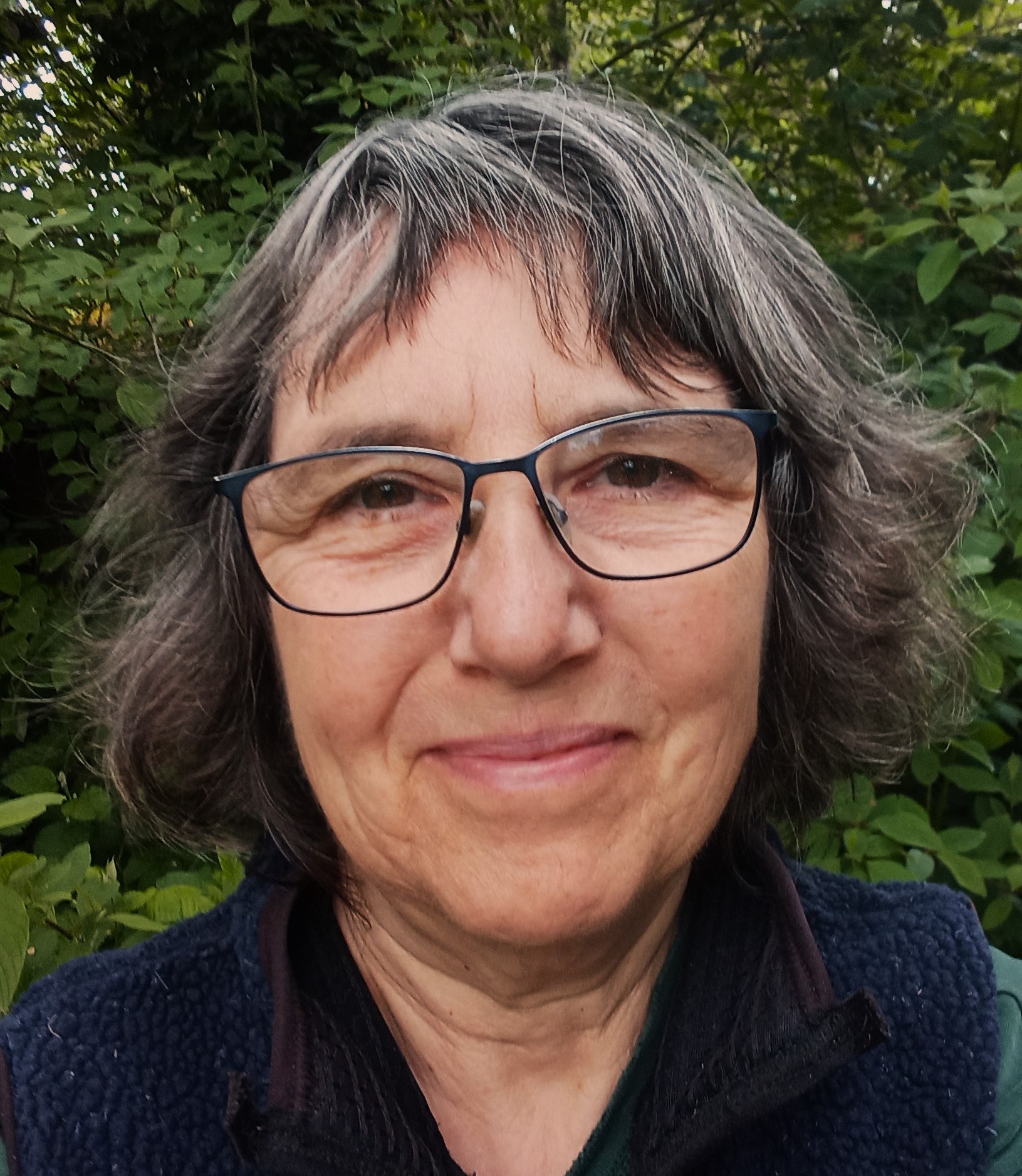
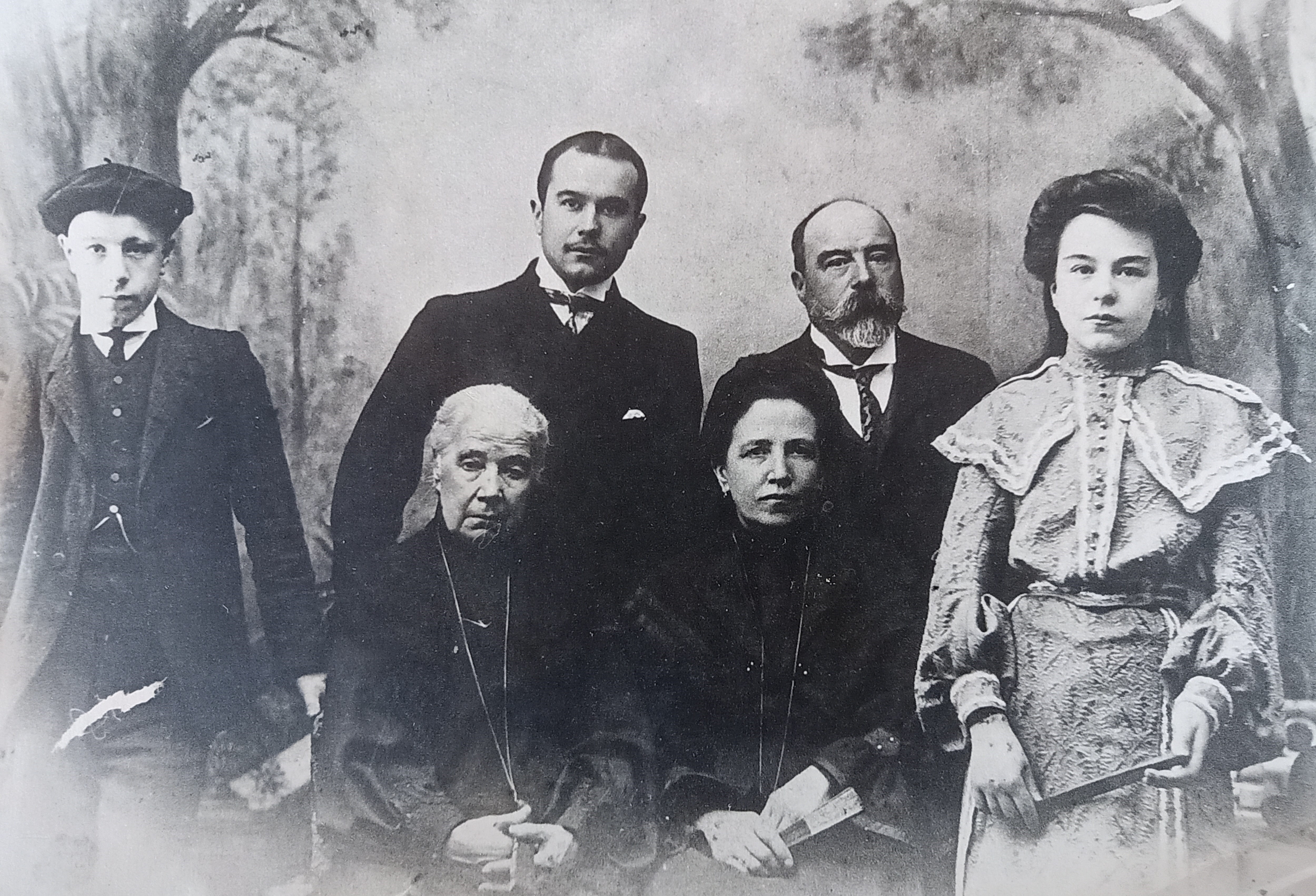
You may have guessed that the above is not a picture of me. The young woman on the right is my paternal grandmother, with her brothers and parents. Anyone who knows me takes one look at this picture and immediately says "You look just like her!"
I grew up in a family that did not do conflict well. At any given time, some members of the family would, for whatever reason, not be talking to one another. On both sides of the family. And this had been going on forever. In fact, my father used to joke that there had been one family disagreement that had carried on for 300 years! (It was true, too. Many years later a Spanish archive kindly sent me 2kg of photocopied court documents and a microfilm to prove it!)
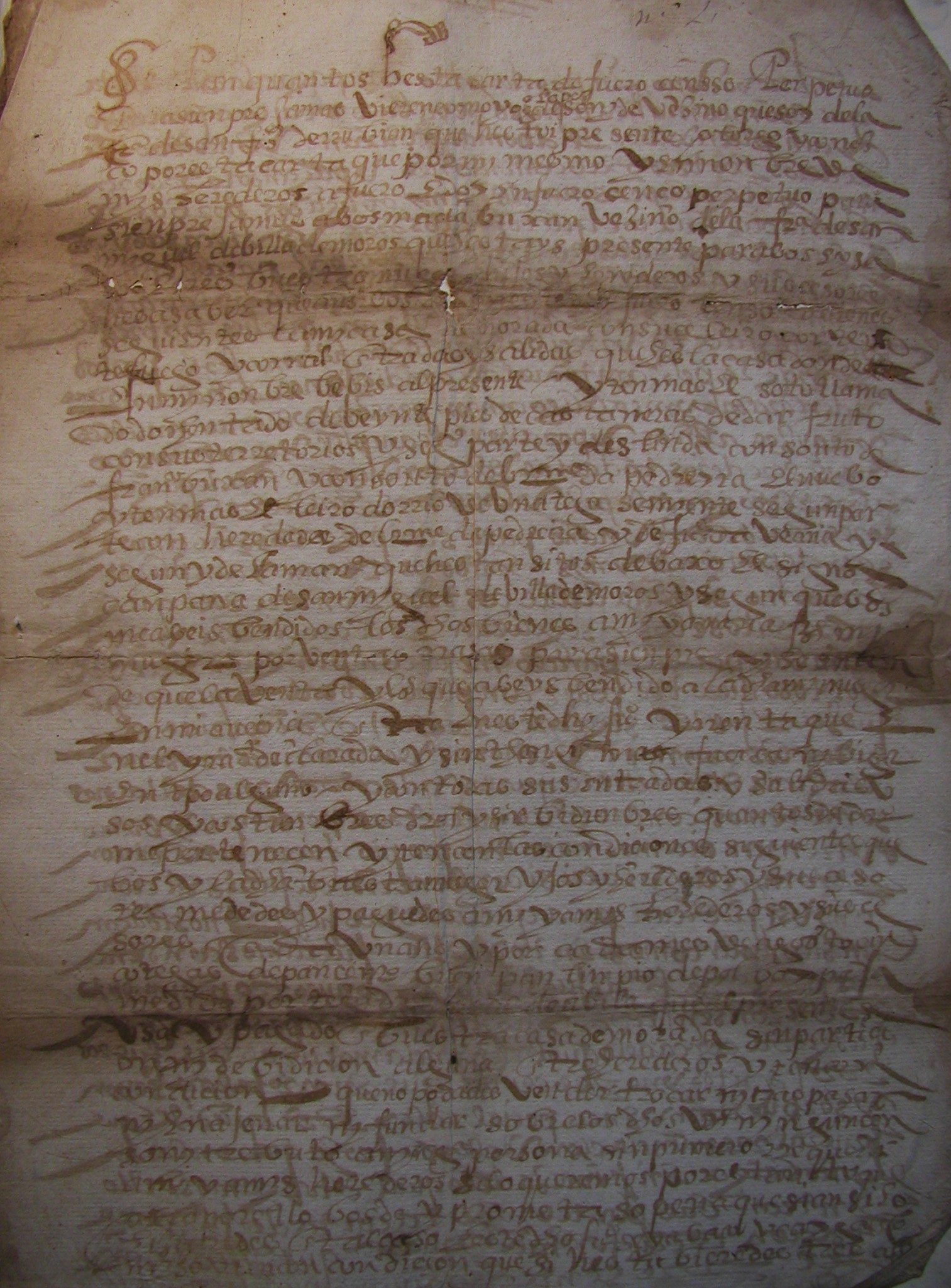
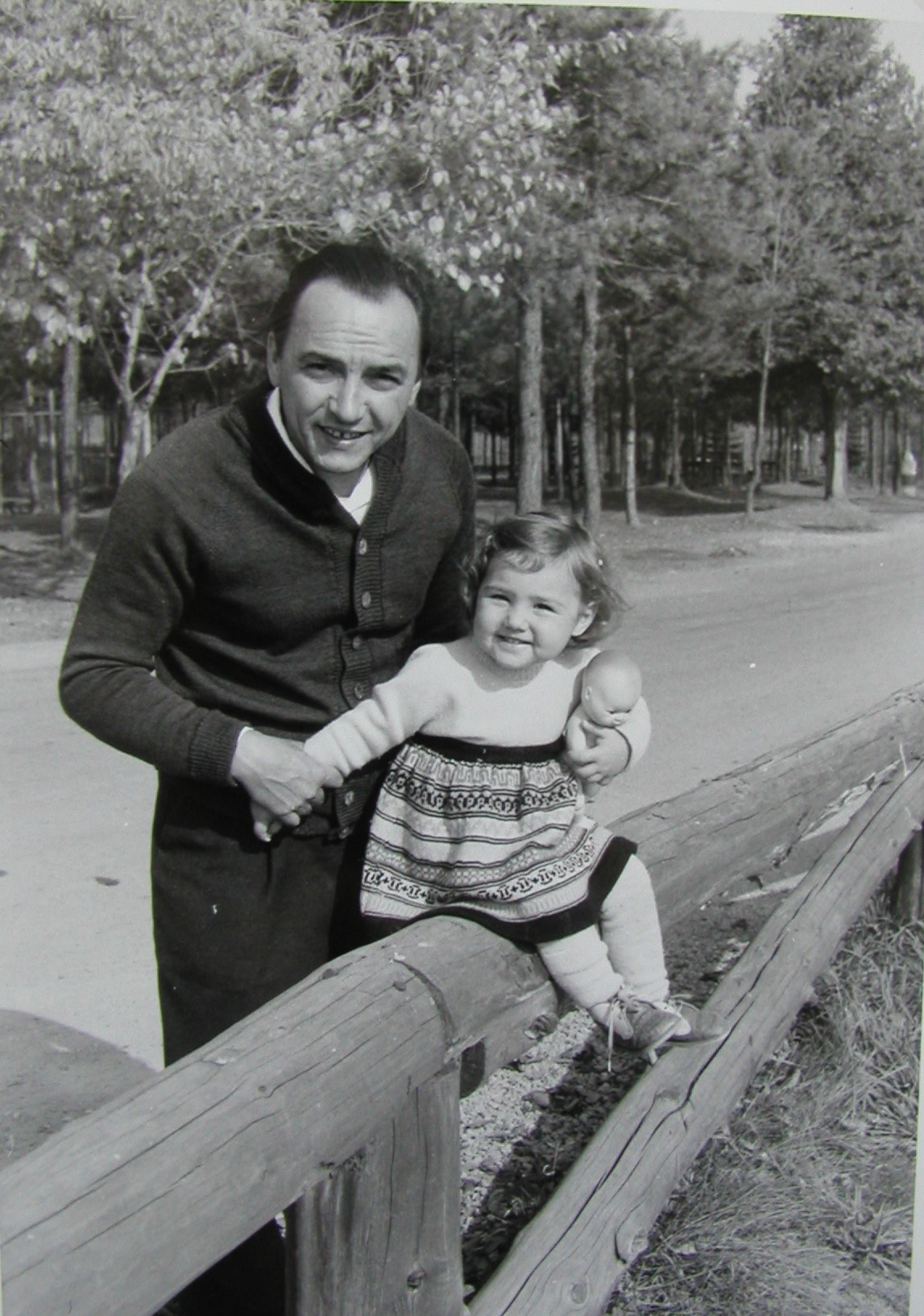
My family did, however, value its history. My Spanish father in particular was immensely proud of his heritage and had a large chest full of old family documents. Mostly, they dealt with land transactions and inheritances and the oldest dated from 1599! As a teenager I spent hours with my father poring over documents like the one in the picture on the left. (The picture below is me with my dad, ca 1963.)
Today I work overwhelmingly online, utilizing a huge and ever increasing number of resources. Increasingly, I am also becoming involved in genetic genealogy, using DNA to identify unknown recent ancestors and so add to clients' knowledge about their family's history.
A new, quite exciting venture is combining family history research with my work as a Clinical EFT Certified Practitioner. Doing so allows us to not only learn about our families' pasts, but also process and heal intergenerational trauma and dysfunctional patterns created by our ancestors' life experiences. Then we can not only live our lives free of the burdens of the past but also prevent them being passed on to the next generation!
Love and War
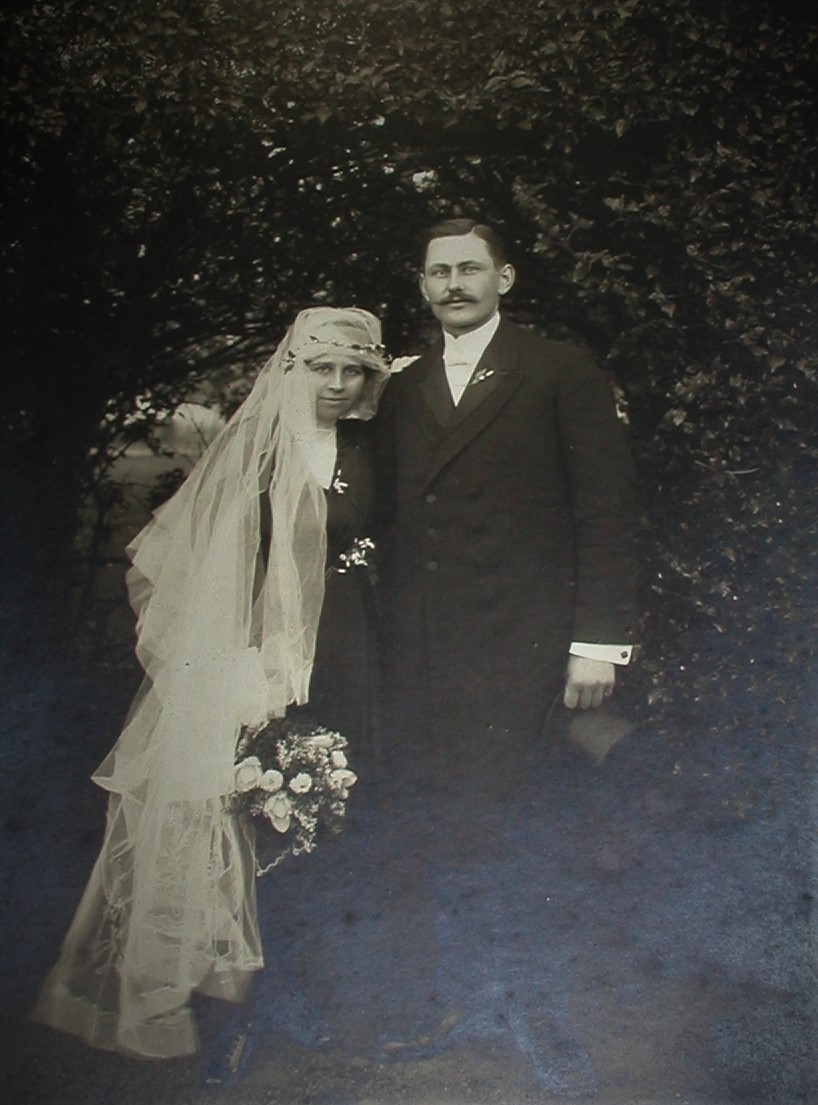
On Apr 21, 1920, my grandfather, Heinrich Wilhelm Rötgens married my grandmother, Marie Julie Lootens. He was a German farmer's son; she came from an upper middle class urban family in Gent, Belgium. They had met during WWI when he was a soldier in the German army occupying Belgium. You can imagine my great-grandparent's dismay when their only daughter fell in love with an enemy soldier!
The wedding did go ahead despite their misgivings and I suspect that they may have kept their displeasure somewhat in check, for two reasons. One was that my grandmother was already 30 years old and they were probably worried that she might never find a husband. In the 1920s, this still mattered. And, secondly, they had already fallen out with their son who had also married someone of whom his parents disapproved: a young Frenchwoman whom he had met - you guessed it - as a soldier during WWI and married in Hull, England.
You may have noticed that my grandmother was, oddly, wearing a black dress with her white veil. The family was, in fact, in mourning. They had just been informed that my grandmother's above mentioned brother had been lost at sea when the ship he was working on as a cabin steward sank during a storm on a return voyage from New York. With only a few days to go until the wedding it had been too late to call it off.
I had heard the story growing up but it took me decades to work out what had really happened as some of the details had been passed on incorrectly. For example, I had always been told the young woman my great-uncle had married against his parent's wishes was English. It wasn't until I finally located their wedding certificate in England that I realised that she was, in fact, French. The story also went that my grandmother travelled to England to find her brother's wife but that the woman, having been rejected by her husband's family before, wanted nothing to do with them. She returned to France and married twice more, her second husband also having died young. I discovered this only because a living descendant posted a family tree online. It is strange to think that, because of the sharing of information made possible by the internet, I now know far more about my mother's uncle and his story than my mother ever did.

@ Copyright 2026 All Our Pasts Are History | All rights reserved
@ Copyright 2026 All Our Pasts Are History
All rights reserved